

wheat straw
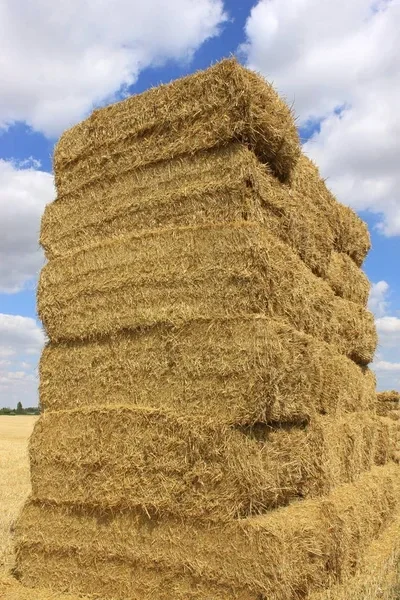
Wheat Straw: Nutritional Profile and Characteristics
Wheat straw consists primarily of structural carbohydrates and has a low protein content, making it a fibrous feed with limited direct nutritional value for livestock unless processed.
Main Nutrients & Composition
- Cellulose & Hemicellulose: These constitute the largest part of the straw (approximately 60-70%), providing high dietary fiber content.
- Lignin: High lignin content, which significantly reduces the overall digestibility of the straw.
- Protein: Very low protein content (typically <4%), making it unsuitable as a primary protein source.
- Minerals & Trace Elements: Contains potassium and silica, along with small amounts of calcium and phosphorus.
- Energy: Low concentration of metabolizable energy.
Uses & Nutritional Enhancement
- Livestock Feed (Ruminants): Primarily used for cattle and sheep, often in combination with concentrated feeds to balance the diet.
- Processing (Urea Treatment): Treatment with urea, calcium hydroxide, or ammonium sulfate can increase nitrogen content and significantly improve digestibility.
Summary
In summary, wheat straw is rich in fiber (cellulose) but low in essential nutrients (proteins). It functions mainly as a "filler" in ruminant nutrition to provide the necessary bulk for healthy digestion.
The SM Alfalfa Gold Quality Guarantee
At SM Alfalfa Gold, we apply the same rigorous standards to our wheat straw as we do to our premium alfalfa. Through our fully integrated production and processing unit, we ensure that our wheat straw is harvested at the optimal time and stored under strictly controlled conditions to prevent moisture and mold